If you’ve never heard of Gloucestershire Old Spots, you’re not alone. This heritage breed nearly went extinct in the 20th century, and even today, they’re considered a rare breed by the Livestock Conservancy.
But for those who know pigs, GOS (as they’re often called) are legendary.
A Pig with History
Gloucestershire Old Spots originated in the Berkeley Vale of Gloucestershire, England. They’re one of the oldest pig breeds in the world, with records dating back to the 1800s—though the breed itself is likely much older.
They earned the nickname “orchard pig” because English farmers traditionally raised them in apple and pear orchards. The pigs would forage on windfall fruit, converting waste into exceptional pork.
The breed was so prized that it became associated with British royalty. To this day, GOS pork is served at royal events.
How to Spot a Gloucestershire Old Spot
These pigs are distinctive:
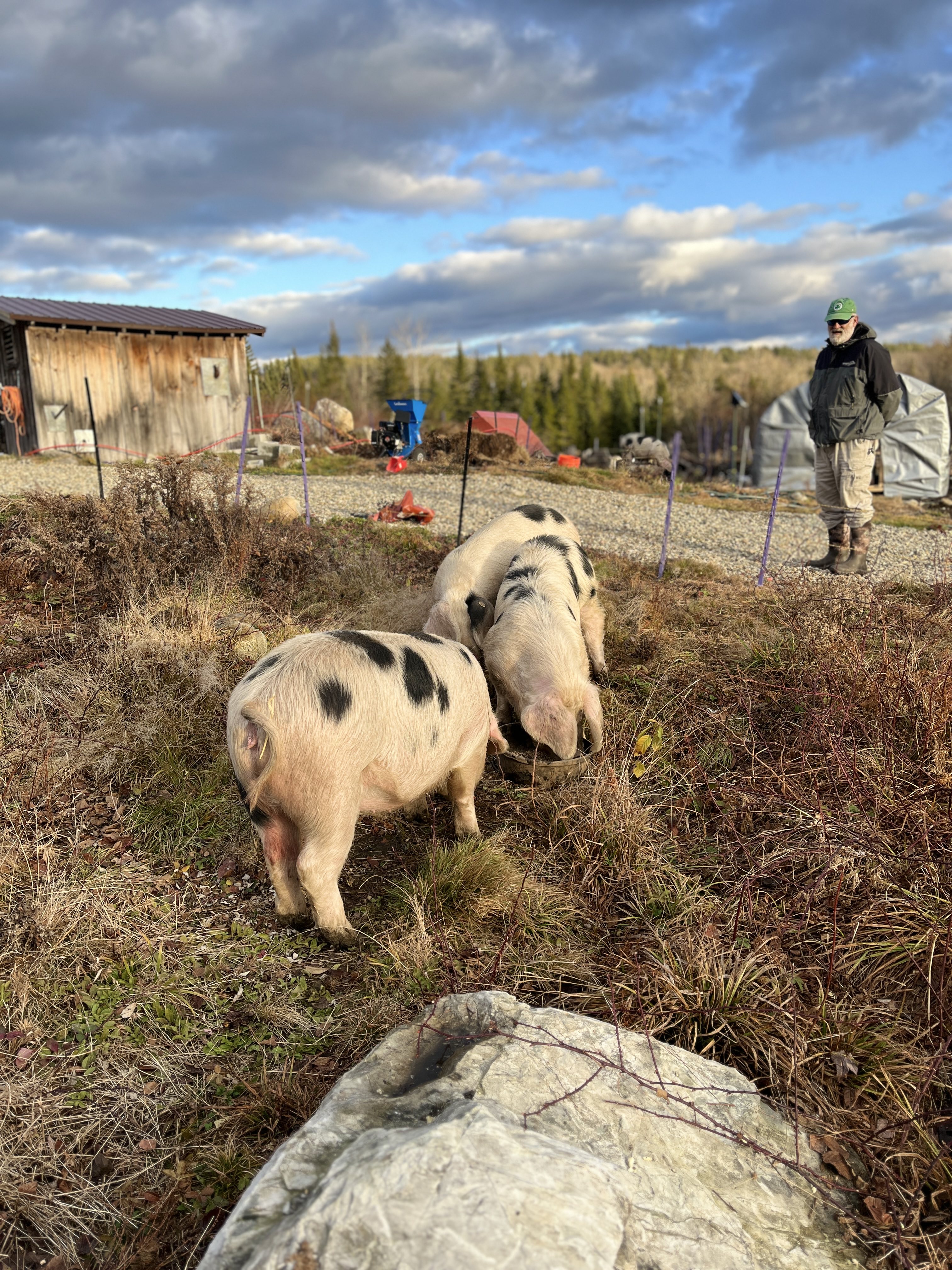
- White with black spots — The spots can vary in size and number, but all purebred GOS have them
- Large, floppy ears — Their ears hang down over their face
- Big frame — They’re a large breed, with mature sows reaching 500+ pounds
- Docile temperament — Known for being calm and easy to handle
Why Farmers Love Them
Beyond their friendly disposition, GOS pigs are excellent foragers. They thrive on pasture, converting grass, roots, and whatever else they find into well-marbled meat.
They’re also good mothers, typically having manageable litter sizes and taking excellent care of their piglets.
Why Chefs Love Them
The meat is what sets GOS apart. Compared to commercial breeds that have been optimized for leanness and fast growth, Gloucestershire Old Spots offer:
- Rich marbling — Intramuscular fat that keeps the meat moist and flavorful
- Excellent fat quality — Back fat that renders beautifully, perfect for cooking and charcuterie
- Deep, porky flavor — Taste that commodity pork lost generations ago
This isn’t “the other white meat.” This is pork the way it used to be.
A Breed Worth Saving
Gloucestershire Old Spots nearly disappeared when industrial farming took over. Fast-growing, lean breeds were more profitable for factory operations, and heritage breeds fell out of favor.
Today, small farms like ours are bringing GOS back. By raising them on pasture the way they were meant to be raised, we’re preserving genetics that would otherwise be lost—and producing pork that reminds people what this meat is supposed to taste like.
We raise registered Gloucestershire Old Spots here at Texas Farms Vermont. Learn more about our pigs or visit our shop to try the pork yourself.